
Prevent pressure injuries with real-time data
DecSense monitors patient position 24/7, alerts the team at the exact moment for repositioning and charts everything automatically in the EHR. More safety for everyone who provides care — lower cost for healthcare.
- Integrates with the EHR
- Remote or on-site rollout
- 24/7 support
The hospitals, certifications and institutions behind Preveni

















Pressure injuries are preventable — but they still come at a high cost
Also known as pressure ulcers or bedsores, they develop after hours without repositioning. The impact goes far beyond the wound: it reaches the patient, the team and the institution's bottom line
Longer length of stay
The injury extends the stay and ties up beds that could be turning over.
Payer claim denials
Payers withhold reimbursement for a preventable adverse event.
Quality indicators
Poor scores put accreditation and institutional reputation at risk.
Excess costs
Supplies, facilities and people devoted to a preventable problem.
Iatrogenic harm
Physical harm to the patient caused by care itself.
Lawsuits
Negligent repositioning has already resulted in court-ordered damages.
See how DecSense breaks this cycle: explore the solution
From repositioning to the management dashboard — in a single flow
Technology, algorithms and IoT sensors that put the care team at the center of prevention
The sensor monitors
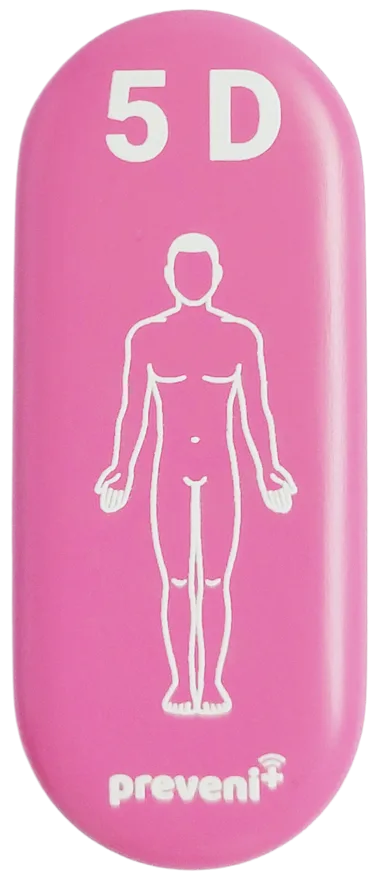
DecSense, attached to the chest, continuously monitors the patient's position and how long they stay in it, 24/7.
The system cross-checks the data
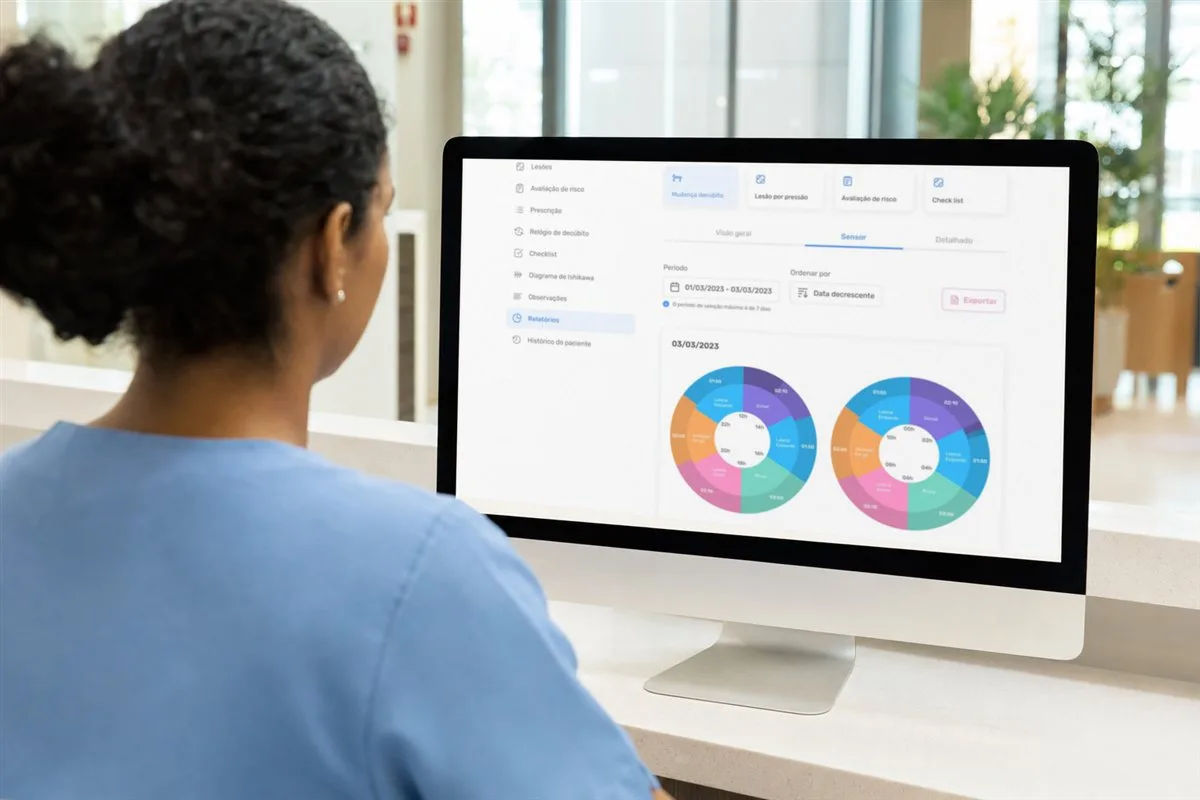
The system cross-checks the data against the nursing care plan and displays real-time visual alerts, showing the exact moment for the next repositioning.
The team repositions and the system records it
When repositioning happens, it is charted in the EHR automatically.
Position map
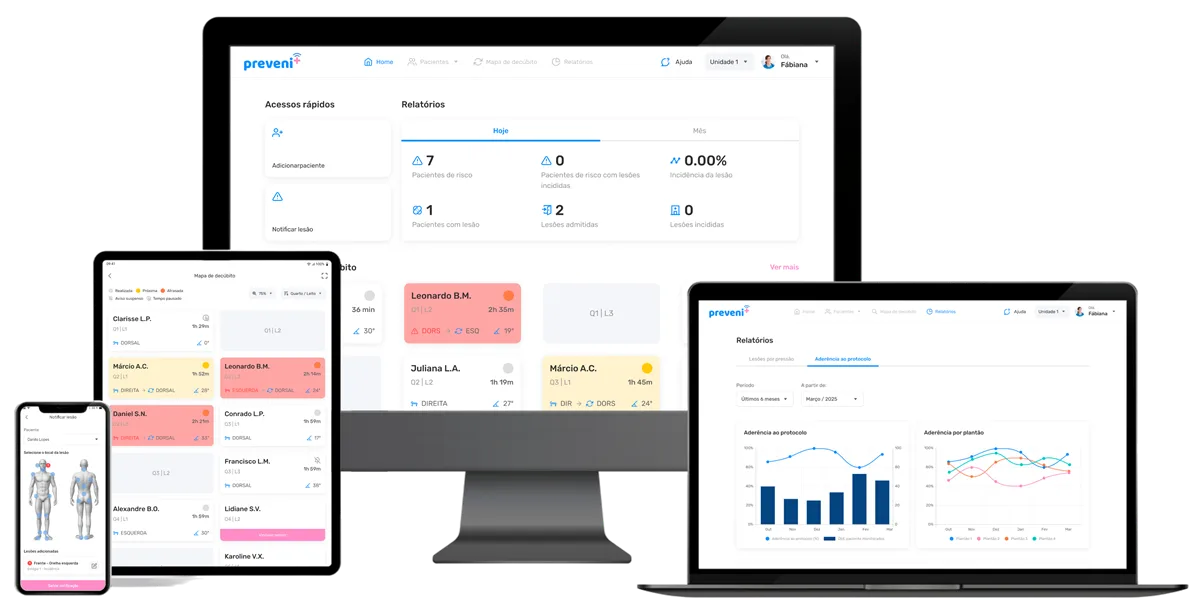
Every at-risk patient on a single screen: follow repositioning across the unit in real time, on a web dashboard integrated with the sensors.
Risk assessment
Perform and record pressure injury risk assessments using internationally recognized scales.
Injury reporting
Report injuries — present on admission or hospital-acquired — and track their progression through to outcome in a standardized, guideline-based way, with graphs and photos.
Cause-and-effect diagram
If an injury does occur, map the intrinsic and extrinsic factors to mitigate risks and prevent new adverse events.
Monitoring dashboards
Automatic reports for management: protocol adherence, performance by shift, average time overdue and the profile of at-risk patients.
The sensor that gives nursing its time back
Preveni's wearable device: discreet for the patient, practical for the team and built for the hospital's demanding routine
-
24/7Continuous monitoring
-
WirelessIoT connectivity and comfort
-
Positions and timesPrecise records, with date and time
-
Easy to clean and reusableCost-effective and sustainable
A better experience for the patient, better indicators for the institution
Effective prevention translates into gains the whole institution feels
Zero paperwork, zero typing
Patient repositioning is charted automatically in the EHR. Nursing gets time back for direct patient care, with no manual data entry.
Lower costs
Avoid the high, invisible costs of prolonged stays and supplies for treating injuries. Effective prevention protects the institution's budget directly.
Audit-ready indicators
Turn the position map into automated quality and compliance reports. The hospital gains stronger legal protection, with auditable data always at hand.
Estimate the savings at your institution: ROI calculator
Proven in clinical practice
Prevention with repositioning sensors has been studied and presented at a scientific conference
In a study conducted at a hospital in the metropolitan region of Porto Alegre (Brazil), the use of repositioning sensors, combined with traditional preventive measures, proved to be an effective strategy in caring for patients at high risk of pressure injury.
“Tecnologia que Preveni: experiência com sensor vestível na prevenção de lesão por pressão” (Technology that Prevents: experience with a wearable sensor in pressure injury prevention) — 15th Brazilian Congress of Enterostomal Therapy (SOBEST, Brazil's enterostomal therapy association), 2025.
Preveni in the media
Recognition and coverage of our pressure injury prevention technology
-

Sensors could revolutionize injury prevention in bedridden patients
Veja Saúde -

Among 241 projects, a nurse and her partners win an award with a startup selected in a multinational's competition
Coren-SP (São Paulo nursing board) -

Startup Preveni wins the Marista Group's Hospital Innovation Cycle
Portal Hospitais Brasil -

Healthtech Preveni, from Florianópolis, receives funding from a municipal innovation incentive program
SCInova -

Project from Paraná with social impact in healthcare is selected for acceleration
Gazeta do Povo -

Startup from Londrina is selected for Samsung's acceleration program
Folha de Londrina -

Startup Preveni wins the Marista Group's Hospital Innovation Cycle
CRM-PR (Paraná medical board)
A simple model, from day one to every day
Rollout & training
We get the solution up and running in your unit.
- On-site or remote rollout
- Complete training for the team
- Custom protocols and scales
- Plug & Play: standalone or integrated with the EHR
Subscription — TaaS
Everything included, in monthly payments (Technology as a Service).
- Sensors, gateways and tablet provided at no charge
- End-to-end management: from reminders to indicators
- Automatic updates included
- Specialized 24/7 support
Content on prevention and technology in healthcare
Impact stories, science and management for the people responsible for patient safety

Repositioning and early mobilization
Why they are decisive in pressure injury prevention — and how to ensure protocol adherence.
Read more
Published article: wearable sensor in pressure injury prevention
The scientific study that evaluated Preveni's wearable sensor in pressure injury prevention.
Read more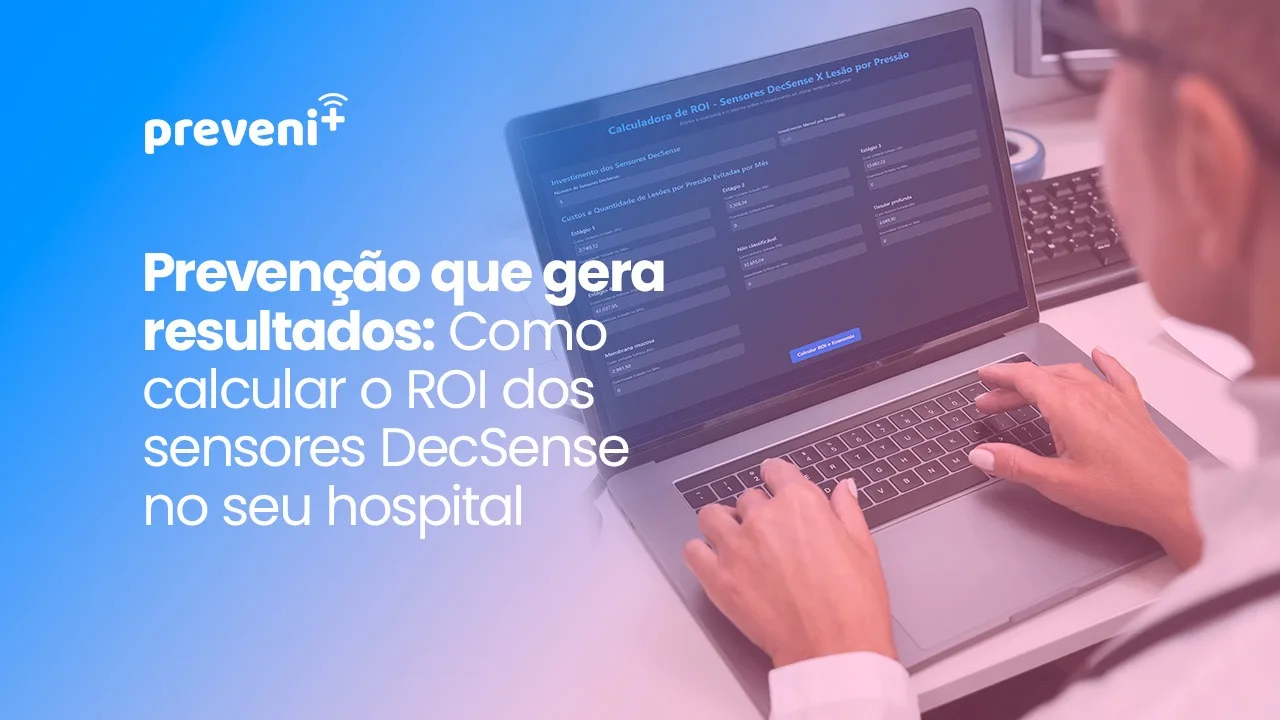
How to calculate the ROI of DecSense sensors in your hospital
Prevention that delivers results: understand the return on investment in DecSense sensors.
Read moreEverything you need to know before getting started
How does DecSense work?
Attached to the chest, it monitors the position and the time in each position. The data goes to the web system, which cross-checks it against the nursing care plan and issues alerts to reposition the patient when needed — all visible on an at-a-glance management dashboard.
How much does it cost?
It is a monthly subscription model (TaaS — Technology as a Service): sensors, gateways, tablet, platform, updates and support are all included in the monthly fee. The price depends on the number of sensors contracted. Request a demo and we will send a proposal sized for your institution.
What is the financial return of prevention?
Every injury avoided saves treatment costs, extra inpatient days and legal risk. To estimate the savings in your own setting, use the pressure injury prevention ROI calculator, which projects the return based on the number of sensors and the injuries avoided by stage.
Does Preveni handle rollout and training?
Yes. Rollout can be remote or on-site, with complete training for the care team and 24/7 support to keep the solution running smoothly.
How do I request a demo?
Through the form on this page, by email at contato@preveni.com.br or on WhatsApp at +55 43 98442-2339.
Who benefits from the technology?
At-risk patients and their families, hospitals, payers, long-term care facilities for older adults, home care companies and municipal home-based care programs.
What are pressure injuries?
Also known as pressure ulcers or bedsores, they are damage to the skin and underlying tissue caused by intense or prolonged pressure. They can lead to pain, suffering and even death.
Ready to prevent the next injury?
Book a demo and see the position map working with data from your own unit.