
Best practice recommendations for preventing pressure injuries

Pressure injury prevention is a priority in healthcare, because these wounds can cause great discomfort to patients and significantly increase treatment costs. Implementing best practices is essential to prevent these injuries from developing, and recommendations to that end play a crucial role.
Every recommendation carries a certain strength of evidence and strength of recommendation. That means it is not only about following protocols, but about understanding how robust the evidence behind them is and how strongly they are recommended. These recommendations are not merely theoretical guidelines; they are grounded in solid research and in the practical experience of healthcare professionals.
The “Strength of Recommendation” is the degree to which the healthcare professional can be confident that adhering to the recommendation will do more good than harm.
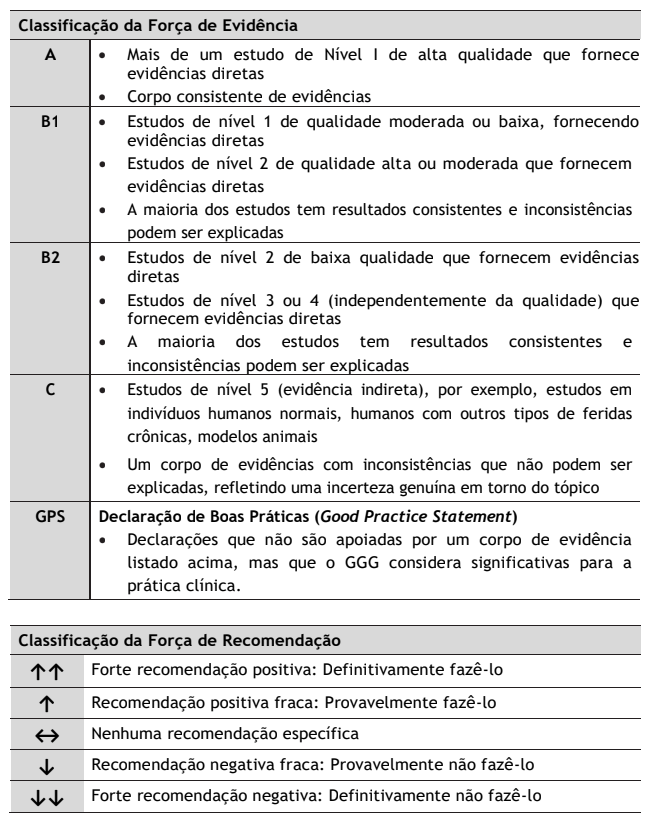
To ensure pressure injury prevention best practices are implemented effectively, it is essential to understand the strengths of evidence and of recommendation attached to each specific recommendation. Here are some examples that illustrate why these strengths matter:
Consider individuals with limited mobility and a high potential for friction and shear: This recommendation carries a Strength of Evidence A, which means there is a solid evidence base supporting its effectiveness in preventing pressure injuries. In addition, the Strength of Recommendation is ↑↑, indicating a strong recommendation for implementation.
Consider individuals with a Stage 1 pressure injury at risk of progressing to Stage 2 or higher: Again, this recommendation is backed by a Strength of Evidence A and a Strength of Recommendation ↑↑, underscoring its critical importance.
Consider the potential impact of an existing pressure injury of any stage on the development of additional injuries: Although the Strength of Evidence is C, it is still a valuable recommendation with a Strength of Recommendation ↑.
These examples illustrate how recommendations can vary in terms of strength of evidence and strength of recommendation. All of them, however, are an integral part of pressure injury prevention strategies. It is essential that healthcare professionals and healthcare institutions incorporate them into their practice to ensure patients' well-being.
The Guideline mentioned, titled “Prevention and Treatment of Pressure Ulcers/Injuries: Quick Reference Guide,” is a valuable source of information for healthcare professionals. It offers current, evidence-based guidance for preventing and treating pressure injuries effectively. By consulting this guide, healthcare professionals can stay well informed and prepared to handle these complex clinical situations. (Source: European Pressure Ulcer Advisory Panel, National Pressure Injury Advisory Panel and Pan Pacific Pressure Injury Alliance. Prevenção e tratamento de úlceras/lesões por pressão: guia de consulta rápida. (Brazilian Portuguese edition). Emily Haesler (Ed.). EPUAP/NPIAP/PPPIA: 2019.) – Click here to download
In short, following best practice recommendations is crucial to preventing pressure injuries. Understanding the strengths of evidence and of recommendation attached to those recommendations helps prioritize and implement the most effective strategies. Consulting reliable sources, such as the Guideline mentioned, is essential to maintaining a high standard of care and ensuring patients' well-being. By adopting these recommendations, healthcare institutions can not only reduce patients' suffering but also save valuable resources on treating pressure injuries. Taking these recommendations from paper to the bedside requires measuring protocol adherence shift by shift, which is the role of pressure injury prevention management software.
Frequently asked questions
Why is preventing pressure injuries a priority in healthcare?
Because these wounds can cause great discomfort to patients and significantly increase treatment costs. Implementing best practices is essential to prevent these injuries from developing.
What does “Strength of Recommendation” mean?
It is the degree to which the healthcare professional can be confident that adhering to the recommendation will do more good than harm.
Why is it important to understand the strength of evidence and of recommendation?
Because it helps prioritize and implement the most effective strategies. It is not only about following protocols, but about understanding how robust the evidence behind them is and how strongly they are recommended.
What is the source of the recommendations cited in this article?
The guide “Prevention and Treatment of Pressure Ulcers/Injuries: Quick Reference Guide” (Brazilian Portuguese edition), from EPUAP/NPIAP/PPPIA, 2019. It offers current, evidence-based guidance for preventing and treating pressure injuries.