
Brazil's top court upholds damages for pressure injury: why hospital care matters
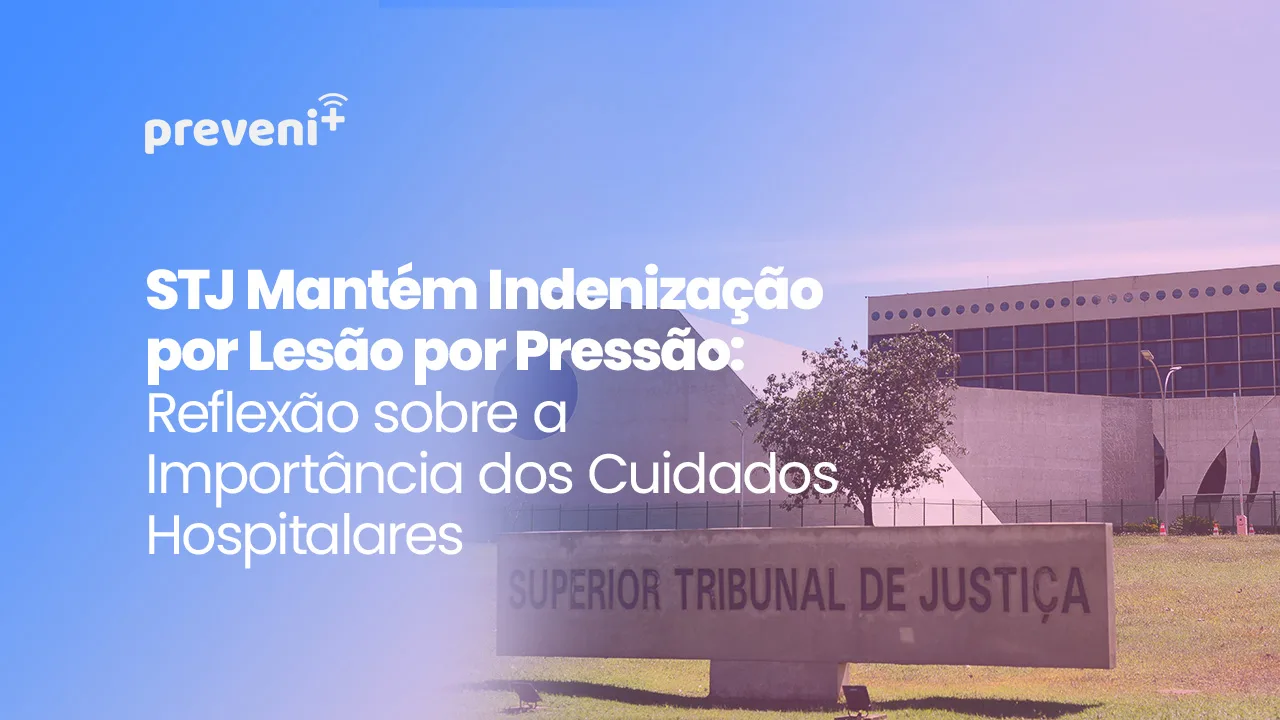
In a unanimous decision, the Fourth Panel of the Superior Court of Justice (STJ), Brazil's highest court for non-constitutional matters, upheld the ruling requiring a hospital to pay a patient R$ 50,000 (Brazilian reais) for pain and suffering (moral damages) and R$ 50,000 for disfigurement (aesthetic damages) caused by pressure injuries (also called bedsores) developed during her hospital stay. The case highlights the urgent need for attention to hospital care and constant monitoring to ensure patients' well-being.
The patient, who suffered pressure injuries because she was not moved in bed during her hospital stay, sought redress through a damages claim, which was upheld by the Rio de Janeiro Court of Justice (TJRJ), the state appellate court. The hospital, in turn, filed a special appeal with the STJ, contesting the damages amounts and denying liability for what happened.
Justice Raul Araújo, who reported the case at the STJ, noted that the court's case law allows the amounts of moral and aesthetic damages to be revised only in exceptional circumstances, when those amounts are considered excessive or negligible, violating the principles of reasonableness and proportionality. In this case, however, the amounts set were considered proportional to the harm suffered by the patient, who faced complications due to the delay in treating the injuries, resulting in deformities and scars that affected her personal life.
Regarding the hospital's claim that it was not liable, the justice stressed that the TJRJ found, based on evidence including an expert report, that the hospital service had failed. The pressure injuries were clearly attributed to the patient not being moved in bed and to the absence of preventive measures by the hospital team.
In that context, the STJ decision reaffirms the importance of adequate hospital care and constant patient monitoring. The case also underscores the need for such incidents to be properly documented and investigated to ensure accountability in cases of negligence. After all, patients' safety and well-being must always come first in the hospital environment.
Source: News item on the STJ portal
Frequently asked questions
What did the STJ decide in this case?
In a unanimous decision, the STJ's Fourth Panel upheld the ruling requiring a hospital to pay a patient R$ 50,000 for pain and suffering (moral damages) and R$ 50,000 for disfigurement (aesthetic damages) caused by pressure injuries (also called bedsores) developed during her hospital stay.
What were the patient's pressure injuries attributed to?
The pressure injuries were attributed to the patient not being moved in bed and to the absence of preventive measures by the hospital team.
Why did the STJ uphold the damages amounts?
The court's case law allows moral and aesthetic damages to be revised only in exceptional circumstances, when the amounts are excessive or negligible. In this case, the amounts set were considered proportional to the harm suffered by the patient.
What does the decision reinforce about hospital care?
The decision reaffirms the importance of adequate hospital care and constant patient monitoring, as well as the need for incidents to be documented and investigated to ensure accountability in cases of negligence.