
The care revolution with Preveni technology: stories of impact
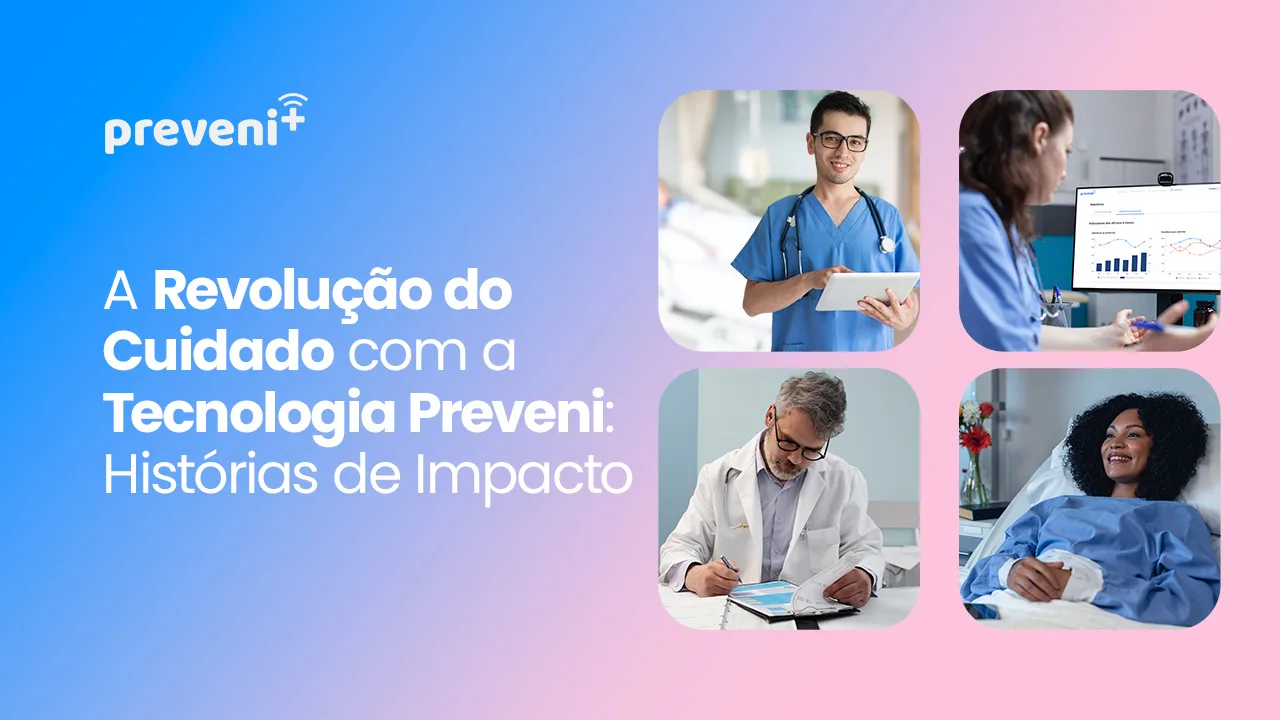
In today's healthcare landscape, integrating technology has proven to be a key tool for improving quality of care and ensuring patient safety. A notable example of this advance is automated monitoring of patient position, a solution that has transformed the routine of healthcare professionals and patients alike. To better understand the impact of this technology, let's meet four people — Nursing Technician Marcos, Nurse Ana, Director Silva and Patient Maria — and see how each of them benefits from this innovation day to day.
Marcos, the committed nursing technician
Marcos has always been a dedicated professional, committed to providing the best possible care for his patients. Working in an intensive care unit, he knows that patient comfort and safety are priorities. Before he knew about automated monitoring of his patients' position, Marcos faced daily challenges in ensuring that every patient was repositioned properly and frequently, thereby avoiding pressure injuries. The work left room for error, because constantly monitoring patients demanded attention that was not always possible to sustain in a busy hospital routine.
With the implementation of automated patient position monitoring, Marcos's routine changed significantly. Now he receives alerts directly on the tablet, telling him when each patient needs to be repositioned. This feature makes his work easier and ensures that no patient stays in the same position for too long, which is important for pressure injury prevention. Automating these reminders eases Marcos's mental load and lets him focus on other aspects of patient care. “With this technology I know I'm delivering the best possible care. It's like having an extra assistant who never rests,” Marcos says. Technology, then, does not replace the professional; it amplifies their ability to deliver high-quality care.
Ana, the results-focused nurse
Ana is a nurse who has always had a special interest in data analysis and in implementing continuous improvement in her unit. She believes that using accurate indicators is essential to improving the quality of care delivered to patients. The introduction of care management software in her unit brought a new perspective to her work. Using the indicators the new technology provides, Ana is able to monitor adherence to the repositioning protocol and the incidence of pressure injuries more effectively. Accurate, real-time data lets her identify patterns and critical points that require intervention.
Based on the information she obtains, Ana implements continuous improvement strategies that have a direct impact on patient safety. The significant reduction in pressure injuries in her unit is a testament to the success of these interventions. “The new system gives me the data I need to make informed decisions. That improves patient care and helps us reach our quality goals,” Ana explains. For her, technology is not just a tool but a partner in patient care, allowing care to be not only reactive but also proactive.
Silva, the director in search of efficiency
Silva is the director of a hospital and is constantly looking for ways to optimize resources and reduce operating costs without compromising quality of care. In a setting where resources are limited and the pressure to maintain a quality standard is high, finding solutions that meet those criteria is a challenge. Implementing the software in his hospital was a strategic decision that brought meaningful results.
With the technology, Silva saw a drop in costs related to pressure injuries. Preventing these injuries reduces spending on treatment and prolonged hospital stays, but it also minimizes the risk of lawsuits, which can be costly and damaging to the institution's reputation. “It is possible to reduce costs and improve quality of care at the same time. It's a solution that really makes a difference,” Silva points out. For him, technology is a powerful ally in hospital management, making it possible to do more with less and ensuring that the focus stays on patient safety and well-being.
Maria, the patient who regained her confidence
Maria is a patient who, in the past, suffered from pressure injuries during long hospital stays. Those experiences left her with a constant fear of facing the same problem again. When Maria was admitted once more, she found a different situation. The hospital where she was staying had implemented Preveni's monitoring system, and she soon realized that care for her safety was a priority.
Continuous monitoring and technology-guided interventions ensured that Maria did not suffer new injuries during her stay. She felt safe, comfortable and confident in the care she was receiving. “I truly felt cared for. I knew they were always attentive to my well-being,” Maria says with a relieved smile. Maria's story is a clear example of how technology improves quality of care and restores patients' trust in the health system.
Conclusion
The stories of Marcos, Ana, Silva and Maria clearly illustrate the significant impact technology has in the healthcare environment. By integrating innovative monitoring and management solutions, Preveni improves patient safety, makes healthcare professionals' work easier and optimizes the management of hospital resources. These narratives show how technology can become a powerful ally in care, offering solutions that go beyond reactive care and promoting a proactive, preventive approach. In a world where demand for safe and effective healthcare keeps growing, Preveni stands out as an essential tool to face today's challenges and shape a future in which technology and care go hand in hand.
Frequently asked questions
How does automated patient position monitoring help the nursing technician?
They receive alerts directly on the tablet, telling them when each patient needs to be repositioned, which helps ensure that no patient stays in the same position for too long.
Which indicators can the nurse track with the technology?
With the indicators the technology provides, it is possible to monitor adherence to the repositioning protocol and the incidence of pressure injuries, with accurate, real-time data.
How does the solution affect hospital costs?
Preventing pressure injuries reduces spending on treatment and prolonged hospital stays, and it also minimizes the risk of lawsuits.
Does the technology replace the healthcare professional?
No. Technology does not replace the professional; it amplifies their ability to deliver high-quality care.