
What is protocol adherence by shift?
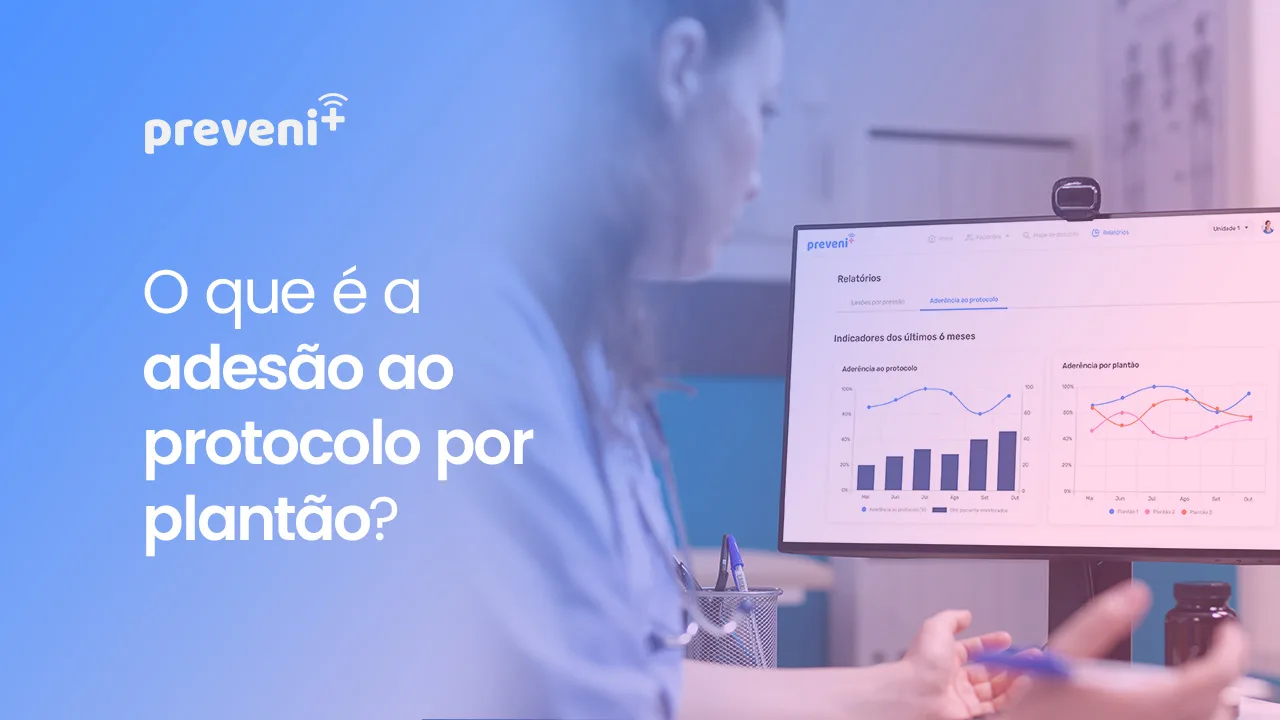
Protocol adherence by shift in pressure injury prevention is a vital component in ensuring the quality of the care delivered to patients. In healthcare, especially in hospital settings where patients are often immobilized for long periods, strict adherence to care protocols is essential to avoid complications such as pressure injuries.
DecSense, an innovative monitoring tool, plays an important role by enabling real-time tracking of how effectively the protocol for changing patient position is followed within the prescribed intervals.
When every shift follows the guidelines established by the protocol, the incidence of pressure injuries tends to drop significantly. Conversely, failing to carry out position changes properly can result in adverse consequences for the patient.
The data provided by DecSense, presented in detailed graphs showing the adherence history hour by hour and day by day, allows managers to identify areas of low adherence and develop action plans to address those gaps.
Analyzing this information makes it possible to investigate a range of aspects that can influence protocol adherence. These include a shortage of qualified professionals, staffing-level issues, the presence of new team members, workload overload or specific incidents in the care unit.
Based on these findings, improvement actions can be implemented, such as targeted training programs or adjustments to how work is organized, aimed at improving protocol adherence. These measures not only foster a culture of safety and quality in the workplace but also ensure that patients receive the appropriate, timely care they deserve.
Ultimately, protocol adherence by shift is not just a routine practice but a commitment to patients' well-being and safety. By investing in technology such as DecSense and taking a proactive approach to identifying and resolving adherence issues, healthcare institutions can reach higher levels of clinical effectiveness and excellence in patient care.
It is also worth stressing that protocol adherence by shift is not limited to the technical aspect of care. It also involves a holistic approach that considers each patient's individual needs. That means taking into account factors such as reduced mobility, underlying medical conditions, emotional state and personal preferences when planning and carrying out position changes.
By recognizing the importance of protocol adherence by shift, healthcare institutions can foster a culture of accountability and commitment among healthcare professionals. This not only benefits patients directly but also strengthens the institution's reputation and credibility in the market.
It is therefore essential for managers and team leaders to actively encourage protocol adherence through continuing education, hands-on training and constructive feedback. In doing so, they are investing in the well-being of both patients and healthcare professionals, ensuring that every individual receives the highest possible standard of care.
In short, protocol adherence by shift in pressure injury prevention is an essential part of responsible, effective clinical practice. By prioritizing strict adherence to well-established care protocols, healthcare institutions can significantly improve clinical outcomes, providing a safer, more welcoming environment for everyone involved.
Frequently asked questions
What is protocol adherence by shift?
It is a vital component in ensuring the quality of the care delivered to patients in pressure injury prevention, measuring whether position changes are carried out within the prescribed intervals on each shift.
How does DecSense help track adherence?
DecSense enables real-time tracking of how effectively the protocol for changing patient position is followed within the prescribed intervals, presenting the data in detailed graphs that show the adherence history hour by hour and day by day.
What happens when every shift follows the protocol?
When every shift follows the guidelines established by the protocol, the incidence of pressure injuries tends to drop significantly. Failing to carry out position changes properly, on the other hand, can result in adverse consequences for the patient.
What factors can influence protocol adherence?
Analyzing the data makes it possible to investigate aspects such as a shortage of qualified professionals, staffing-level issues, the presence of new team members, workload overload or specific incidents in the care unit.